


Hey there! As an acid dyes supplier, I've been getting a lot of questions lately about how to improve the lightfastness of acid dyes. Lightfastness is super important because it determines how well a dye can resist fading when exposed to light over time. No one wants their colorful fabrics or products to lose their vibrancy quickly, right? So, in this blog, I'm going to share some tips and tricks on how you can boost the lightfastness of acid dyes.
Understanding Acid Dyes and Lightfastness
First off, let's quickly go over what acid dyes are. Acid dyes are water-soluble dyes that are mainly used for dyeing protein fibers like wool, silk, and nylon. They work by forming ionic bonds with the fibers, which gives them a good color fastness. But when it comes to lightfastness, things can get a bit tricky.
Lightfastness is affected by a bunch of factors. The chemical structure of the dye itself plays a huge role. Some dyes are just naturally more resistant to light than others. For example, dyes with more complex chemical structures tend to have better lightfastness. Also, the type of fiber you're dyeing matters. Different fibers interact with the dye in different ways, and this can impact how well the dye holds up against light.
Choosing the Right Dyes
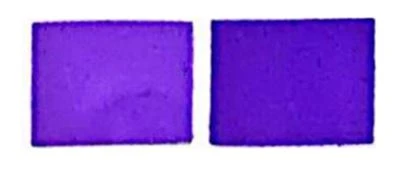
One of the easiest ways to improve lightfastness is to choose the right acid dyes in the first place. Some dyes are specifically formulated to have better lightfastness. For instance, Acid Violet 54 and Acid Violet 48 are known for their relatively good lightfastness properties. These dyes have chemical structures that make them more stable when exposed to light.
When you're selecting dyes, look for ones that have been tested for lightfastness. Most reputable dye suppliers, like us, provide information about the lightfastness ratings of our dyes. The ratings usually range from 1 to 8, with 8 being the best lightfastness. So, try to go for dyes with higher ratings if lightfastness is a priority for you.
Dyeing Process Optimization
The way you dye your fibers can also have a big impact on lightfastness. Here are some key steps to optimize the dyeing process:

1. Pre - treatment of Fibers
Before dyeing, it's a good idea to pre - treat the fibers. This can help remove any impurities or residues that might interfere with the dyeing process. For example, you can use a mild detergent to clean the fibers and then rinse them thoroughly. This ensures that the dye can bond properly with the fibers, which in turn can improve lightfastness.
2. Dyeing Temperature and Time
The temperature and time during the dyeing process are crucial. Different acid dyes have different optimal dyeing temperatures. Make sure you follow the recommended temperature and time guidelines provided by the dye manufacturer. If you dye at too high a temperature or for too long, it can damage the dye molecules and reduce lightfastness. On the other hand, if the temperature is too low or the time is too short, the dye may not bond well with the fibers.
3. pH Control
Acid dyes work best in an acidic environment. Maintaining the right pH during the dyeing process is essential. Usually, a pH of around 3 - 5 is ideal for acid dyes. You can use an acid, such as acetic acid, to adjust the pH. If the pH is too high or too low, it can affect the dye - fiber bonding and ultimately the lightfastness.
Post - treatment
After dyeing, post - treatment can significantly improve lightfastness. There are a few methods you can use:
1. Fixing Agents
Using a fixing agent can help lock the dye molecules onto the fibers. Fixing agents work by forming a protective layer around the dye, which makes it more resistant to light. There are different types of fixing agents available, and you should choose one that is compatible with your acid dyes and fibers.
2. UV Absorbers
UV absorbers can be added to the dyed fabric to protect it from the harmful effects of UV light. These absorbers work by absorbing the UV rays and converting them into heat, which reduces the amount of light that can reach the dye molecules. You can apply UV absorbers during the post - treatment process.
Storage and Handling
How you store and handle the dyed products also matters. Here are some tips:
1. Storage Conditions
Store dyed products in a cool, dark place. Exposure to direct sunlight and high temperatures can accelerate the fading process. If possible, store the products in air - tight containers to protect them from dust and moisture.
2. Cleaning
When cleaning dyed products, use mild detergents and avoid harsh chemicals. Harsh chemicals can damage the dye and reduce lightfastness. Also, avoid excessive rubbing or agitation during cleaning.
Quality Control
Regular quality control is essential to ensure that the lightfastness of your dyed products meets your standards. You can conduct lightfastness tests using a lightfastness tester. These tests simulate the effects of sunlight on the dyed fabric over a period of time. By regularly testing your products, you can identify any issues early on and take corrective actions.
Conclusion
Improving the lightfastness of acid dyes is a multi - step process that involves choosing the right dyes, optimizing the dyeing process, post - treatment, proper storage, and quality control. By following these tips, you can ensure that your dyed products maintain their color and vibrancy for a longer time.
If you're interested in purchasing high - quality acid dyes with good lightfastness, feel free to reach out to us. We're here to help you find the perfect dyes for your needs and provide you with all the support you need. Whether you're a small - scale crafter or a large - scale manufacturer, we've got you covered.
References
- Textile Chemistry textbooks
- Dye manufacturer's technical data sheets


